sales@normantherm.com
+977-9841230987
Jun 30, 2026

Vacuum Furnace Industry Exhibition: Exploring Advanced Thermal Processing Technologies

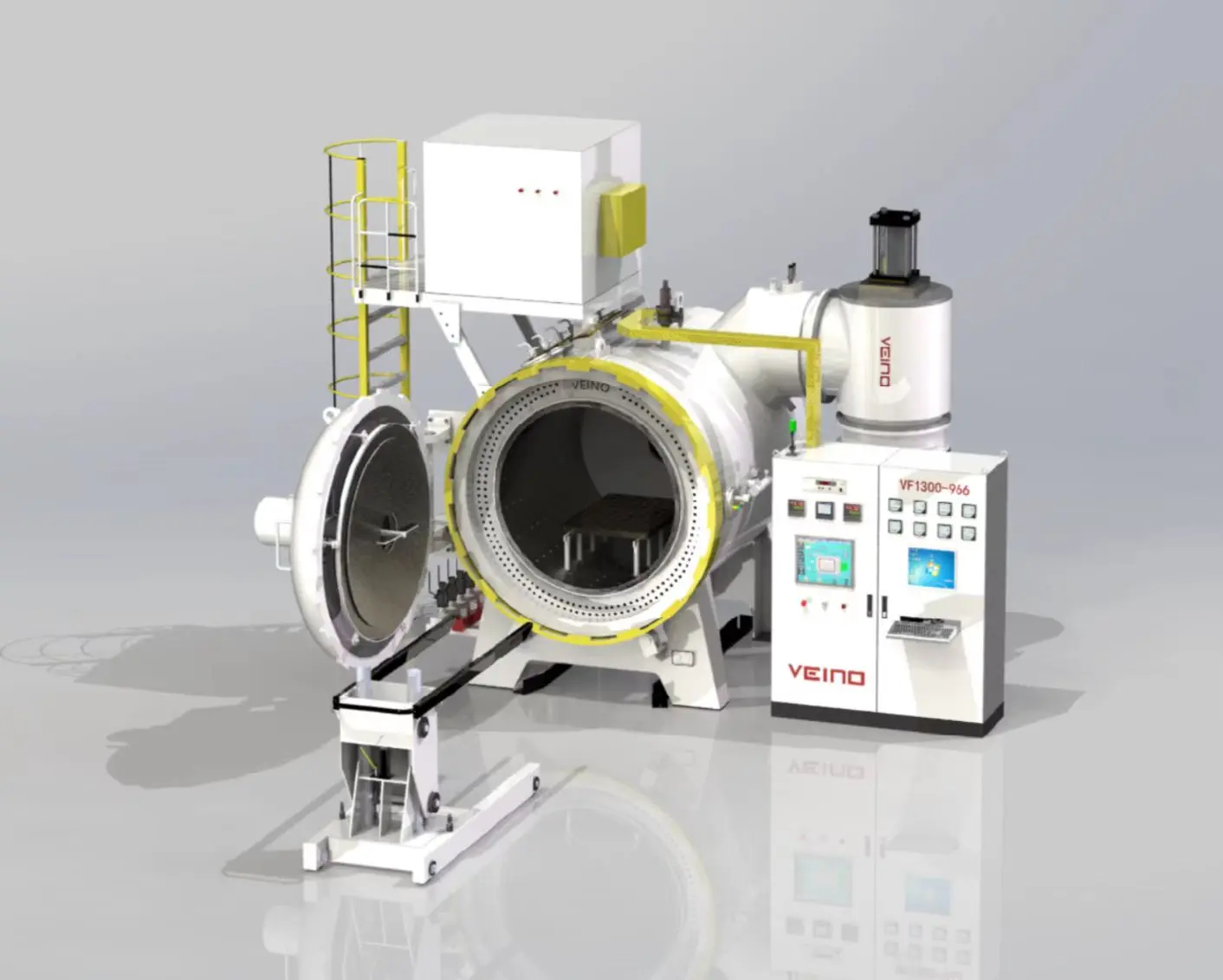
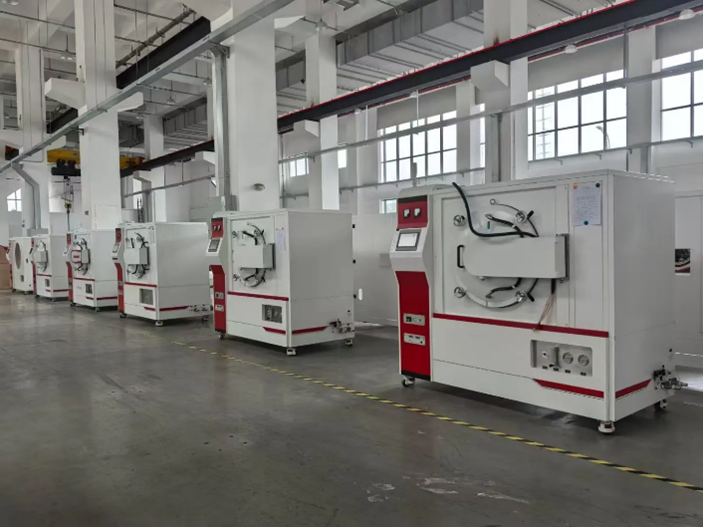
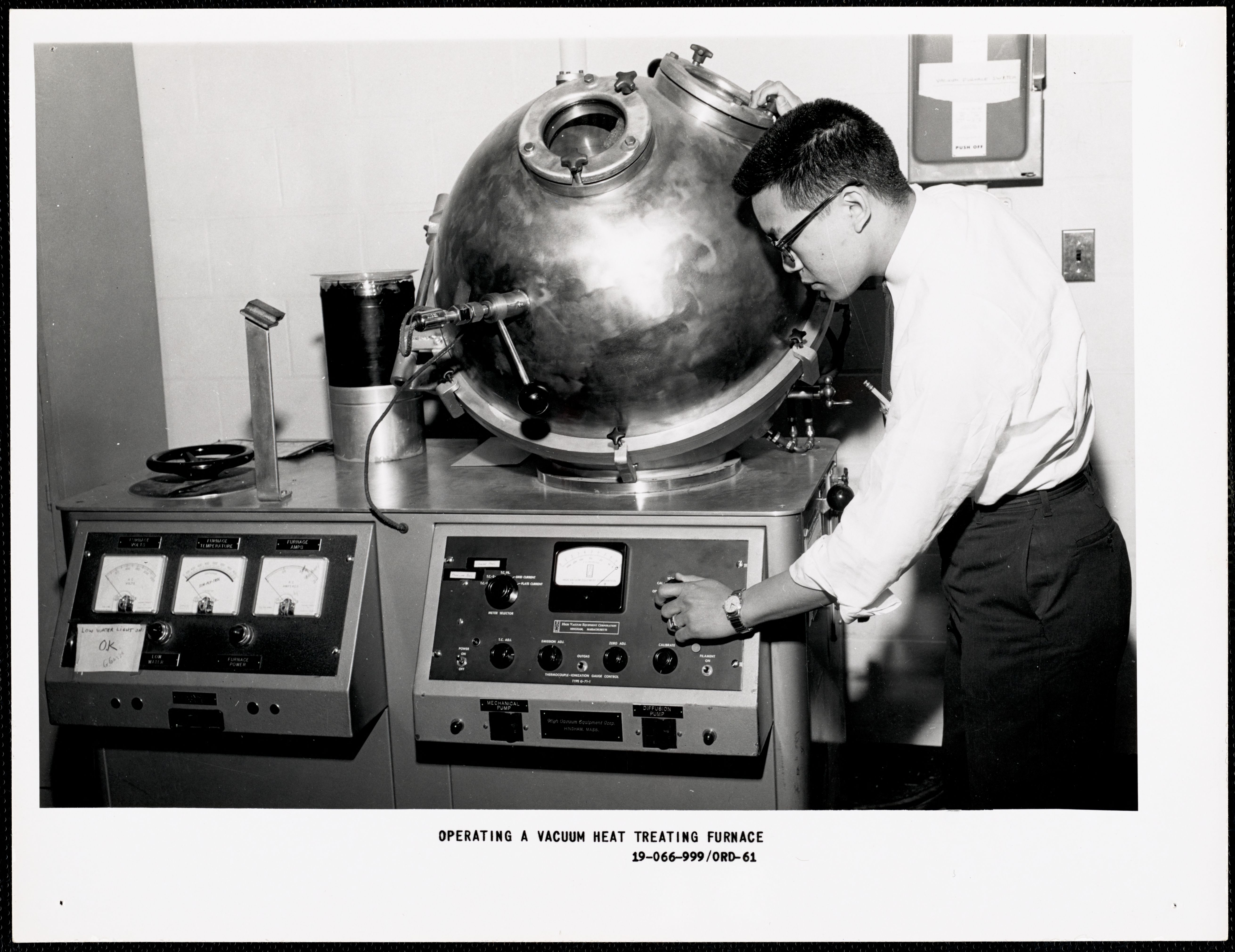
Industrial exhibitions provide a valuable platform for manufacturers, engineers, and industry professionals to explore the latest innovations in thermal processing equipment. Among the most important technologies showcased at these events are vacuum furnaces, which play a critical role in vacuum brazing, heat treatment, sintering, annealing, and material processing applications. A vacuum furnace industry exhibition allows visitors to experience advanced furnace systems firsthand while learning how vacuum technology improves product quality, manufacturing efficiency, and production consistency.

The Growing Importance of Vacuum Furnace Technology

As manufacturing industries continue to demand higher precision and better material performance, vacuum furnace technology has become increasingly important.

Unlike conventional thermal processing methods, vacuum furnaces operate in a controlled environment with little or no oxygen, preventing oxidation and contamination during heating.

This enables manufacturers to achieve:

  • Cleaner product surfaces

  • Stronger metallurgical bonding

  • Improved material properties

  • Better dimensional stability

  • Consistent batch-to-batch quality

These advantages have made vacuum furnaces essential for high-performance manufacturing.

Industry exhibitions often feature a wide range of advanced thermal processing equipment.

Vacuum brazing furnaces are widely used to join dissimilar metals and complex assemblies while maintaining clean, oxidation-free surfaces.

Applications include:

  • Heat exchangers

  • Diamond tools

  • Carbide tooling

  • Water-cooled plates

  • Aerospace components

Vacuum Heat Treatment Furnaces

Heat treatment systems help manufacturers optimize material properties such as hardness, toughness, wear resistance, and dimensional stability.

Common processes include:

  1. Brazing

  2. Annealing

  3. Hardening

  4. Tempering

  5. Solution treatment

  6. Stress relieving

  • Tooling and Mold Manufacturing

Vacuum furnaces are extensively used for carbide brazing, mold steel processing, and wear-resistant tooling production.

  • Aerospace Industry

Titanium alloys, nickel-based superalloys, and precision aerospace components often require vacuum heat treatment and brazing.

  • Semiconductor and Electronics Manufacturing

Vacuum technology supports the production of ceramic assemblies, electrodes, cooling plates, and precision electronic components.

  • Medical Equipment Manufacturing

Many surgical and medical device components require contamination-free thermal processing to ensure quality and reliability.

  • Automotive Industry

Manufacturers use vacuum furnaces to produce transmission parts, engine components, sensors, and thermal management systems.
 

Similar Industry News

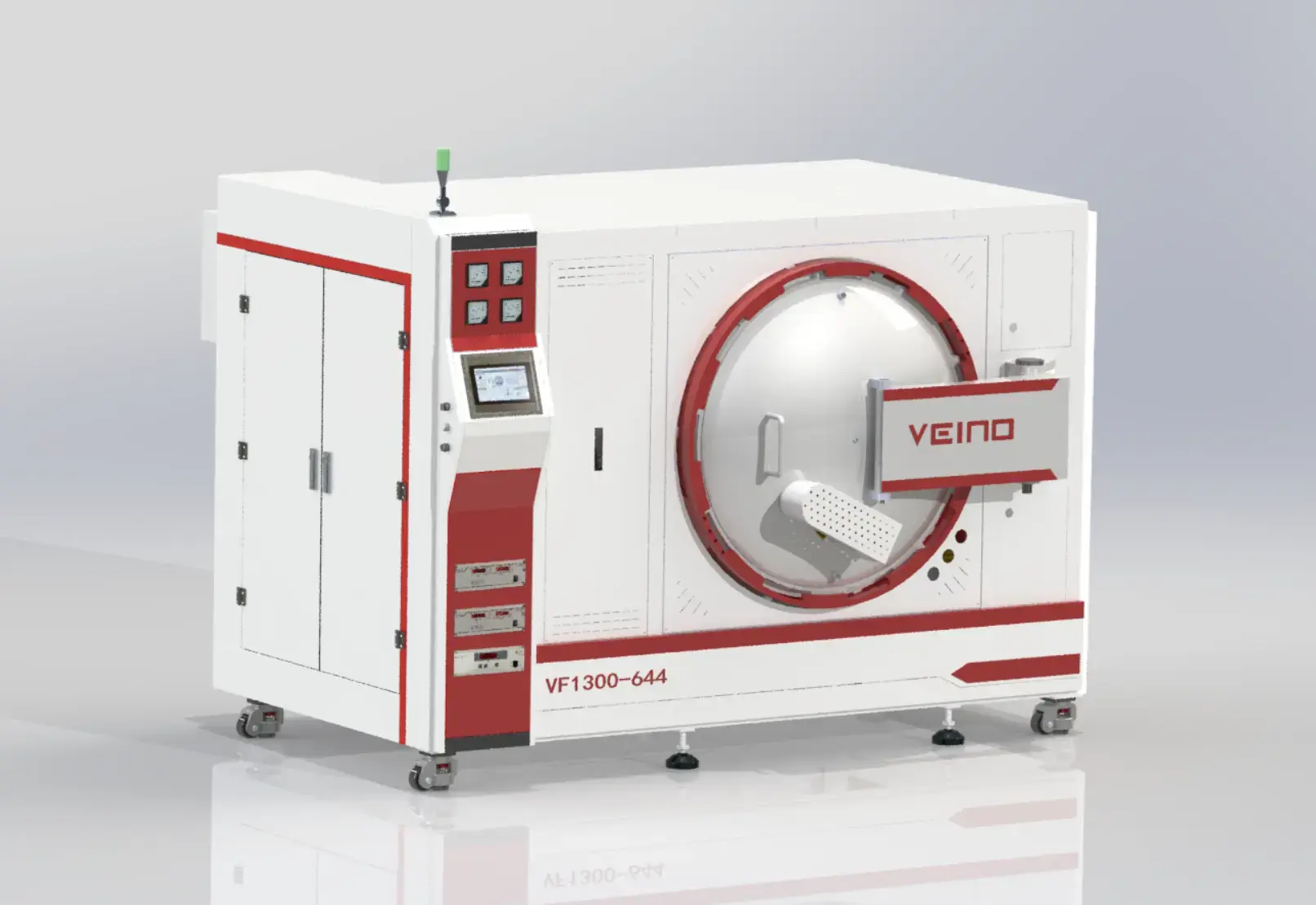
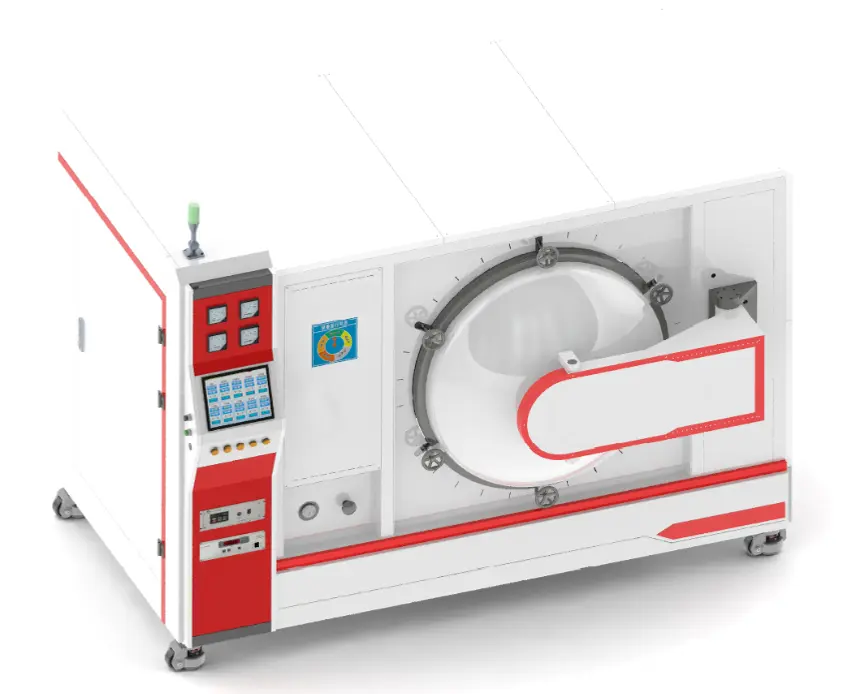
Next-Generation Precision Manufacturing with the VF 1300-644
VF-SERIES (INDUSTRIAL FURNACES)

Next-Generation Precision Manufacturing with the VF 1300-644

At Jiangsu Veino Intelligent Equipment Group Co., Ltd., our Normantherm brand focuses on developing reliable vacuum heat treatment solutions for demanding industrial applications. The VF 1300-644 Vacuum Brazing Furnace is designed for manufacturers who require precise temperature control, a stable vacuum environment, and consistent brazing results when producing high-performance tools and critical components.

How a vacuum hardening furnace enhances steel properties
TF SERIES

How a vacuum hardening furnace enhances steel properties

In modern manufacturing, steel components are expected to deliver high strength, dimensional accuracy, and long service life. Achieving these properties consistently depends heavily on the heat treatment method used. Among the available technologies, vacuum hardening furnaces have become a preferred solution for hardening alloy and tool steels, especially where surface quality and performance reliability are critical. By processing steel in a controlled, oxygen-free environment, vacuum hardening significantly improves mechanical properties while maintaining excellent surface integrity. This article explores how a vacuum hardening furnace enhances steel properties, the benefits of using such a system, and why Normantherm Vacuum Furnace is a trusted name in this domain.

Why Aerospace and Medical Manufacturers Rely on Vacuum Furnaces
TF SERIES

Why Aerospace and Medical Manufacturers Rely on Vacuum Furnaces

Components produced for aircraft engines or surgical implants operate under extreme conditions and are subject to strict regulatory oversight. For these reasons, vacuum furnaces have become a core part of heat treatment and thermal processing in both sectors. Their ability to deliver clean, controlled, and repeatable results makes them indispensable for manufacturers working with critical materials and tight tolerances.

What is an Industrial Vacuum Furnace? Applications, Benefits, and Working Principle
TF SERIES

What is an Industrial Vacuum Furnace? Applications, Benefits, and Working Principle

An industrial vacuum furnace is a high-precision heating system designed to operate in an oxygen-free environment. Removing air and contaminants from the chamber, it allows manufacturers to perform thermal processes with excellent control, clean surfaces, and consistent results. At Normantherm Vacuum Furnace, industrial vacuum furnaces are built to support a wide range of applications while being customizable to specific materials and production requirements.

Scope of Vacuum Furnace Technology in Modern Society
TF SERIES

Scope of Vacuum Furnace Technology in Modern Society

Vacuum furnaces are widely used as high-temperature processing equipment in modern industry. They are mainly applied in processes such as Brazing, sintering, annealing, heat treatment, melting, and other thermal operations involving metals, ceramics, crystalline materials, and similar substances. Due to their ability to provide a controlled, oxygen-free environment, vacuum furnaces have become essential equipment in many manufacturing and research fields.