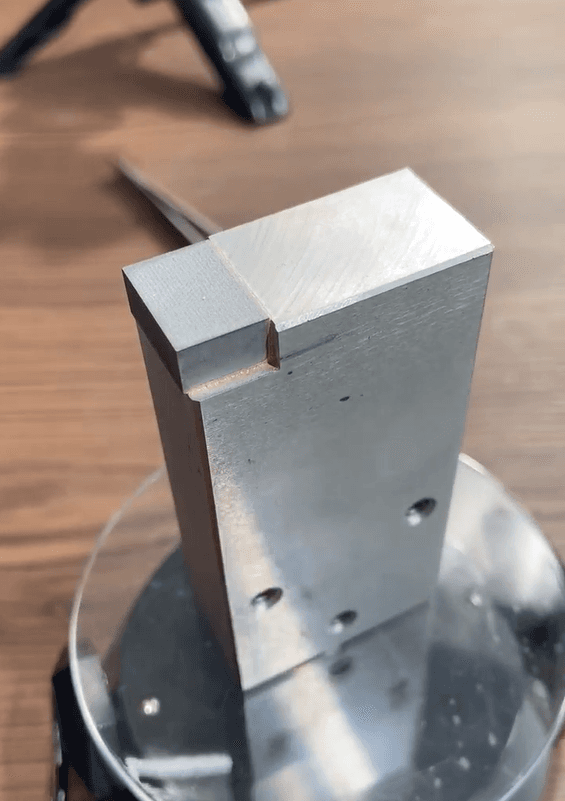
Tungsten carbide and die steel are widely used in industrial tooling and manufacturing because of their complementary mechanical properties. Tungsten carbide provides exceptional hardness, wear resistance, and compressive strength, while die steel offers toughness, structural strength, and resistance to mechanical stress. Joining these materials creates opportunities for developing durable components for demanding industrial applications.
Why Join Tungsten Carbide with Die Steel?
Combining tungsten carbide with die steel allows manufacturers to utilize the advantages of both materials in a single component. Tungsten carbide can provide a highly wear-resistant working surface, while the die steel base offers the necessary mechanical support and toughness.
This material combination is commonly relevant to carbide tooling, dies, cutting tools, forming tools, and other industrial wear-resistant components.
The Role of Vacuum Brazing
Joining tungsten carbide and die steel requires careful process selection because of their different material properties and thermal expansion characteristics. Vacuum brazing provides a controlled, low-oxidation environment that supports clean and reliable joint formation.
A properly designed brazing process requires suitable filler metal selection, controlled heating and cooling rates, appropriate brazing temperatures, and careful management of joint clearance. These factors help reduce the risk of residual stress, cracking, and brazing defects while supporting consistent joint quality.
Normantherm Vacuum Furnace Solutions
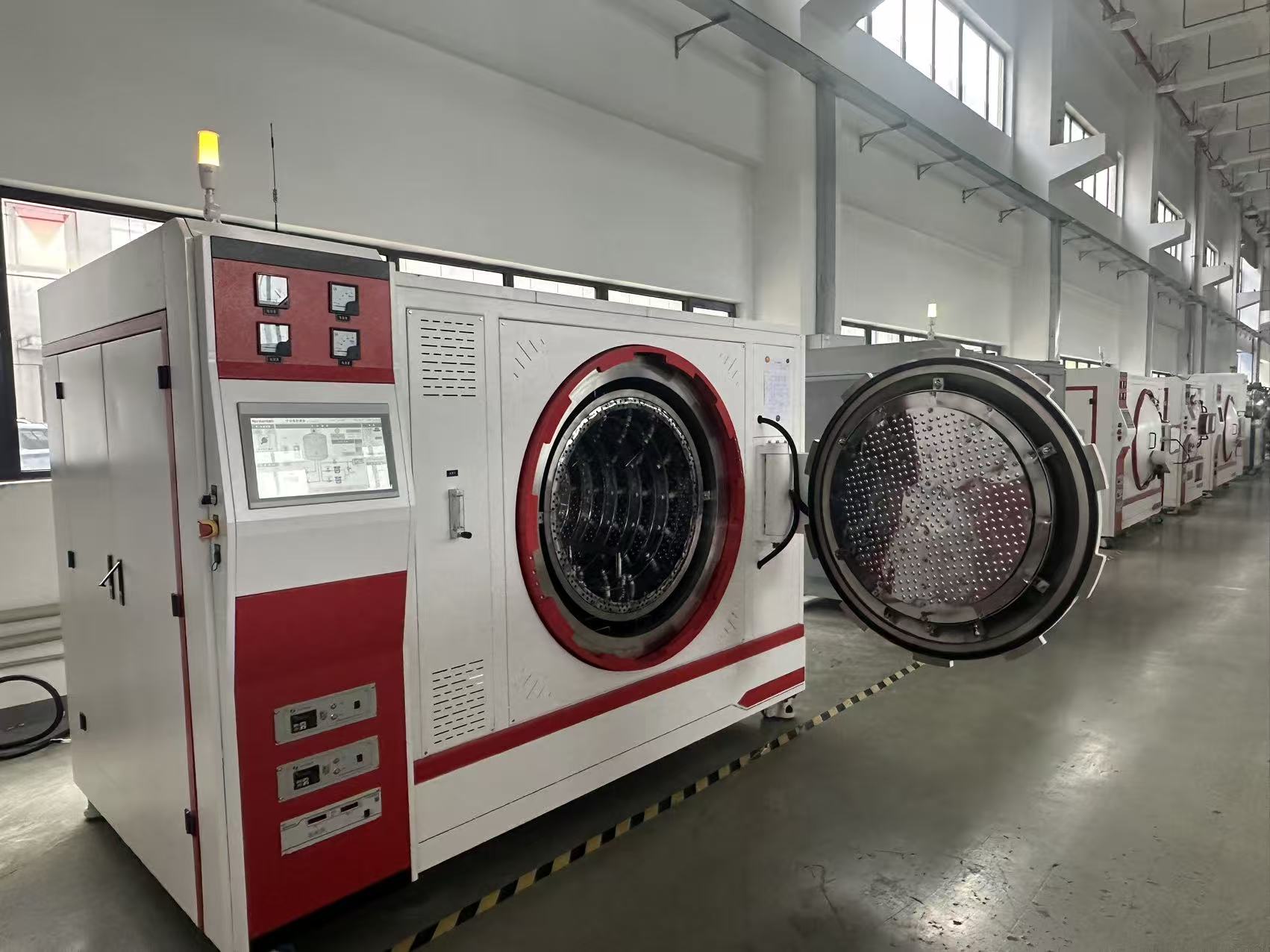
Normantherm provides advanced industrial vacuum furnace solutions for precision brazing of tungsten carbide, die steel, and other dissimilar material combinations.
Our vacuum brazing furnace solutions are designed to support controlled thermal processing, minimize oxidation, and achieve reliable joining results for demanding tooling and manufacturing applications.
With application-specific furnace configurations and process requirements, Normantherm supports manufacturers seeking dependable vacuum brazing solutions for high-performance industrial components.