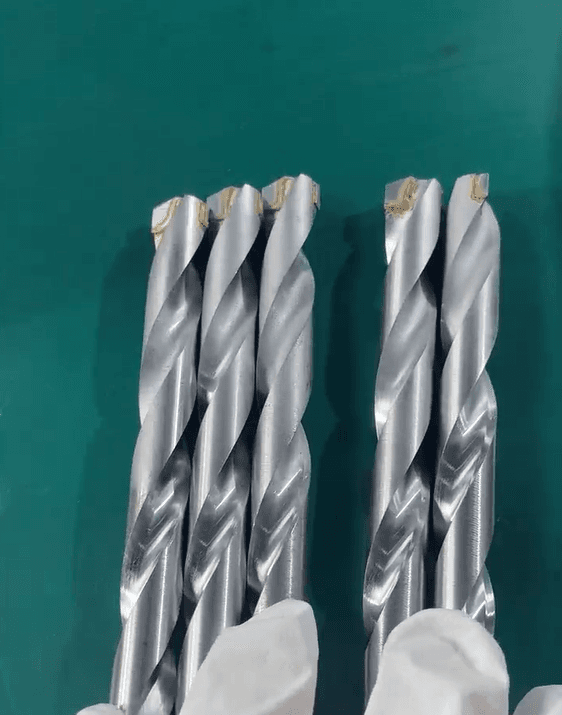
Combining 42 steel with tungsten carbide requires careful control of the joining process because the two materials have different mechanical properties and thermal expansion characteristics. Tungsten carbide offers excellent hardness and wear resistance, while 42 steel provides strength and toughness, making this material combination valuable for selected industrial tooling and wear-resistant components.
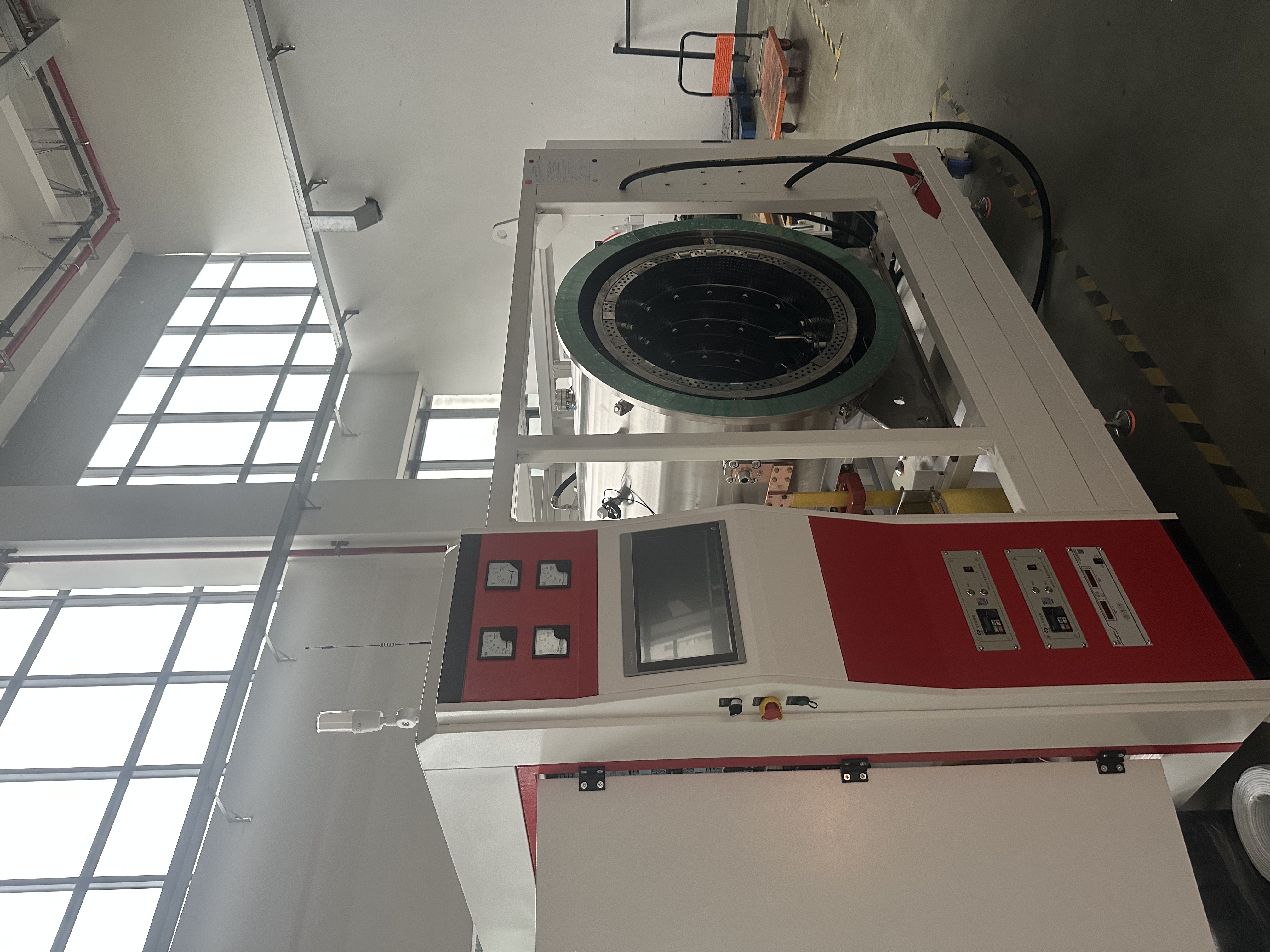
Vacuum brazing is an effective joining method for applications requiring clean joints and controlled processing conditions. By heating components in a vacuum environment with a suitable brazing filler metal, the process helps minimize oxidation and supports reliable bonding between the materials. Proper selection of the filler metal, brazing temperature, joint clearance, and cooling cycle is essential to achieve the required joint quality while minimizing residual stress and the risk of cracking.
At Normantherm Vacuum Furnace, we provide industrial vacuum furnace solutions designed for precision brazing and other specialized thermal processes. Our systems can be configured according to component geometry, material combinations, production requirements, and process specifications.
For manufacturers working with steel and tungsten carbide assemblies, a properly designed vacuum brazing process can help improve joint consistency and support dependable component performance.