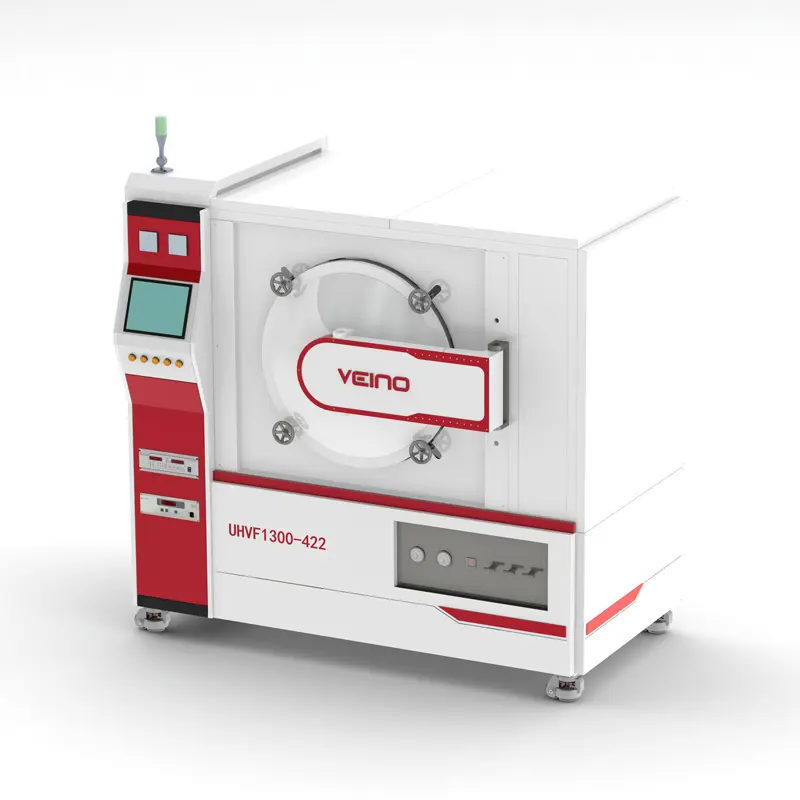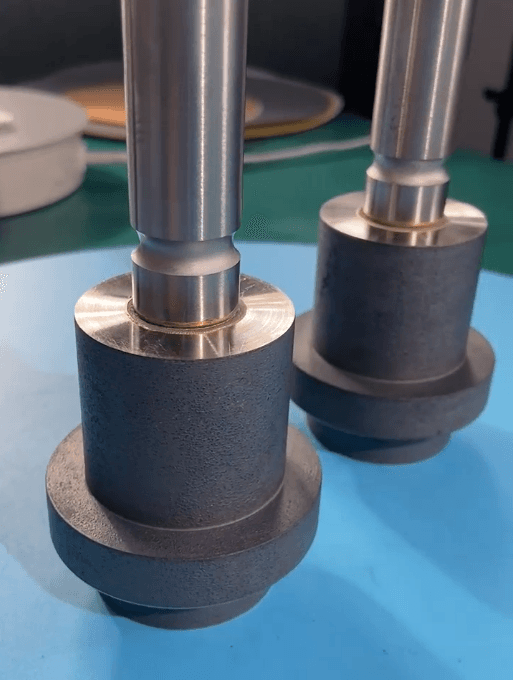
Vacuum brazing of tungsten steel (cemented carbide) and high-speed steel (HSS) is an advanced joining process used to produce strong, durable, and precision-engineered cutting tools. It enables reliable bonding between dissimilar materials while maintaining the hardness, wear resistance, and dimensional accuracy required for demanding machining applications.
Process
The process begins with cleaning and accurately positioning the tungsten steel and HSS components, followed by placing a suitable brazing filler metal at the joint. The assembly is heated inside a high-vacuum brazing furnace under controlled temperature conditions. The molten filler flows uniformly into the joint and forms a strong metallurgical bond. Controlled cooling helps reduce thermal stress, distortion, and cracking.
Application Industries
Vacuum-brazed tungsten steel and HSS components are widely used in automotive, aerospace, mold & die, metalworking, mining, oil & gas, and general manufacturing industries. Typical applications include cutting tools, drills, milling cutters, reamers, saw blades, wear-resistant tools, and precision machining components.
With excellent joint strength, clean surfaces, precise temperature control, and reliable performance, vacuum brazing is an effective solution for joining tungsten steel and high-speed steel in high-performance industrial tools.