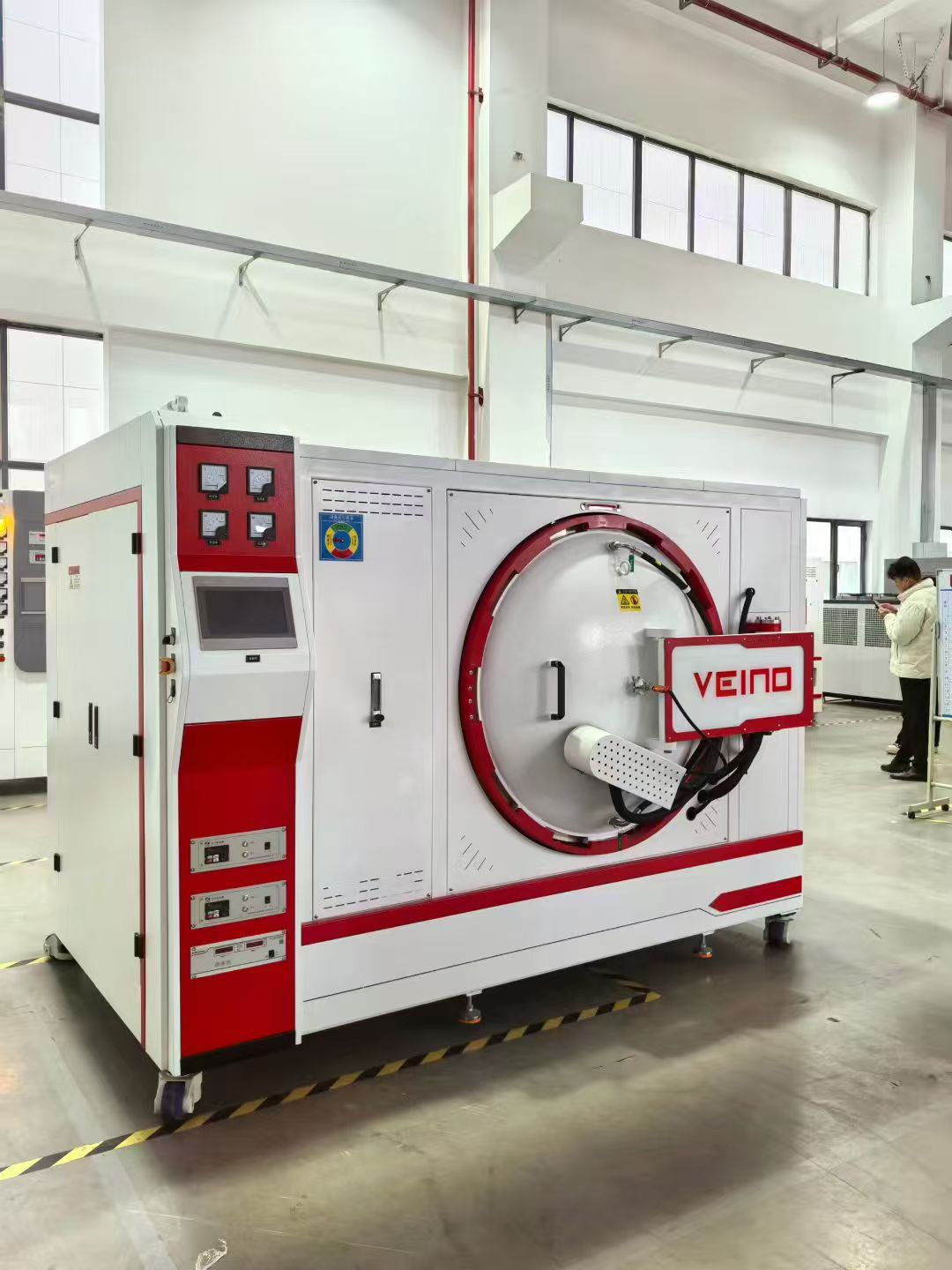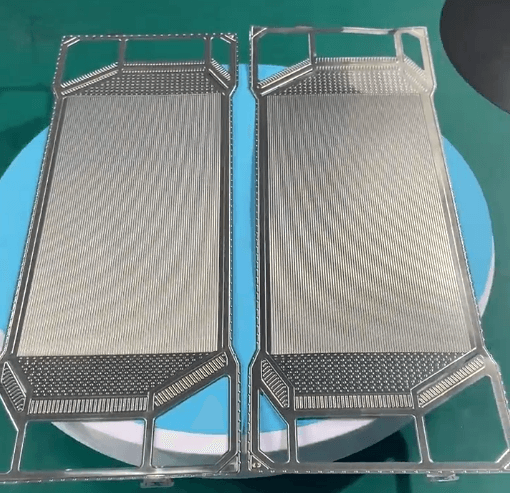
Vacuum heat treatment of 316L stainless steel bipolar plates is an important process for improving material properties and surface quality in hydrogen fuel cell applications. 316L stainless steel offers excellent corrosion resistance, mechanical strength, and durability, making it suitable for demanding fuel cell environments. Vacuum treatment helps minimize oxidation and contamination while maintaining a clean and controlled surface.
Process
The process begins with cleaning and preparing the 316L stainless steel bipolar plates, followed by controlled heating inside a high-vacuum heat treatment furnace. The plates are heated to the required temperature according to the treatment specification and held for a defined period. Controlled cooling is then performed to achieve the desired material properties while reducing oxidation, distortion, and surface contamination.
Application Industries
Vacuum-treated 316L bipolar plates are widely used in hydrogen fuel cells, renewable energy, automotive, aerospace, backup power, and stationary power generation. They are particularly important in PEM fuel cell stacks, where bipolar plates help distribute hydrogen and oxygen, conduct electrical current, and manage heat and water.
With excellent corrosion resistance, dimensional stability, surface cleanliness, and reliable performance, vacuum heat treatment provides an effective solution for producing high-quality 316L stainless steel bipolar plates for advanced hydrogen fuel cell systems.